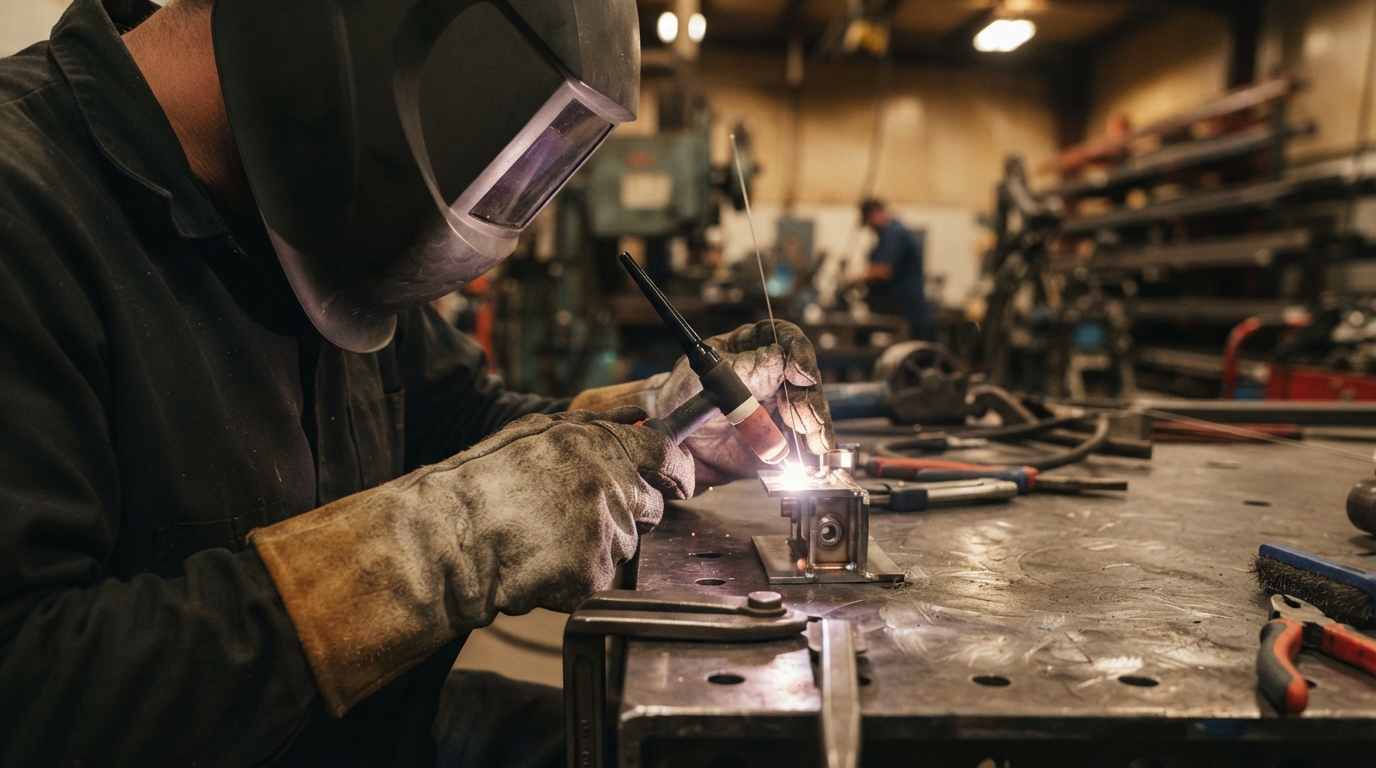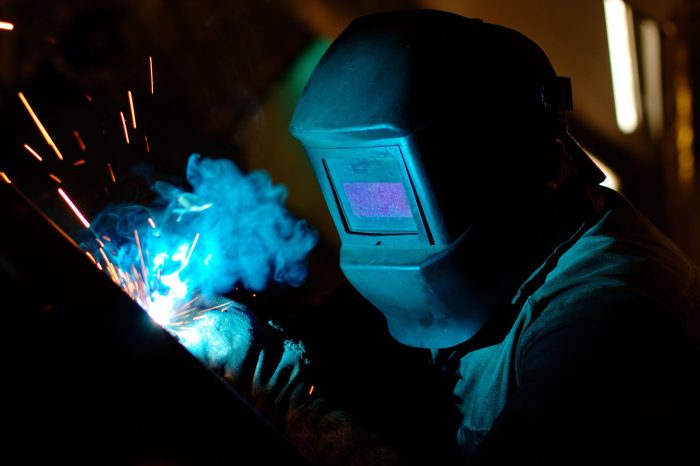
In today’s demanding healthcare environment, the manufacturing of medical devices requires exceptional precision and reliability. Achieving regulatory compliance in the United States is essential, as agencies such as the Food and Drug Administration (FDA) set rigorous standards to ensure patient safety and product efficacy. For manufacturers seeking “Medical Device Welding,” understanding how advanced welding techniques help meet these requirements is crucial. The integration of Medical Device Welding within the production process is a key factor in ensuring that medical devices not only perform as intended but also comply with stringent US regulations.
Importance of Welding in Medical Device Manufacturing
Medical devices often contain intricate components that must be joined with exceptional strength and precision. Welding methods—including laser, micro, and resistance welding—are widely used to create hermetic seals, minimize contamination, and maintain the integrity of sensitive materials. These techniques are particularly vital in the assembly of implantable devices, surgical instruments, and diagnostic equipment, where even minor defects can compromise patient safety.
Regulatory Compliance and Quality Assurance
US regulatory agencies require manufacturers to adhere to comprehensive quality management systems, such as ISO 13485 and the FDA’s 21 CFR Part 820. Welding processes must demonstrate:
- Traceability: Detailed documentation of welding parameters, materials, and operator qualifications.
- Process Validation: Evidence that welding methods consistently produce joints meeting predefined criteria.
- Biocompatibility: Assurance that welded areas do not introduce contaminants or affect device function.
- Repeatability: The ability to replicate high-quality welds across production batches.
Failure to comply can result in costly recalls, penalties, or restricted market access.
Advancements in Welding Technology
Recent innovations in medical device welding have enhanced precision and control, supporting the production of miniaturized and complex devices. Automated systems and real-time monitoring further help manufacturers maintain compliance by reducing human error and enabling immediate detection of deviations from established standards.
This is a leading provider of precision welding solutions, specializing in Medical Welding for the healthcare industry. Their expertise ensures strict adherence to regulatory standards, delivering reliable and compliant results for critical medical applications. Contact Micro Weld Inc today to learn how their services can help your business meet the highest levels of safety and compliance.