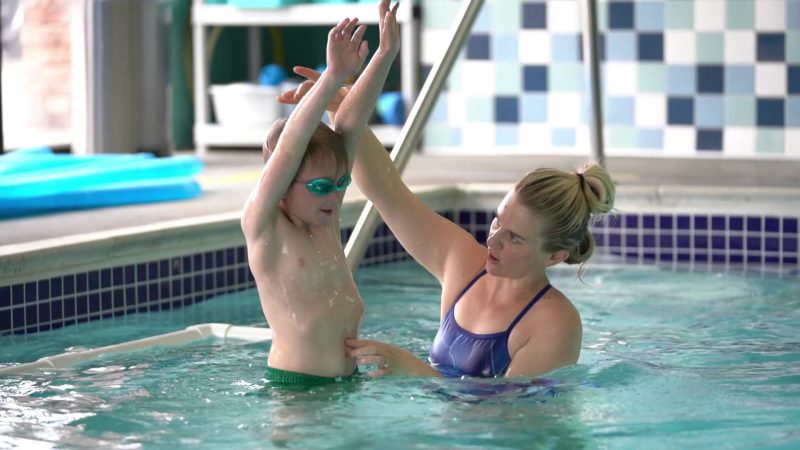
Teaching children to feel comfortable and safe in the water is a valuable life skill that can have lasting benefits. Parents searching for effective ways to introduce their little ones to aquatic environments often turn to Swimming Lessons For Babies And Toddlers Wheat Ridge CO. This search reflects a growing recognition of the importance of starting water safety education from an early age, especially in communities where pools, lakes, and recreational water activities are common.
The Importance of Early Water Safety Education
Drowning is a leading cause of accidental injury and death among young children in the United States. Early exposure to water, under the guidance of trained instructors, helps reduce risks and fosters a positive relationship with swimming. By introducing babies and toddlers to the water in a controlled, supportive setting, parents can lay the groundwork for essential safety skills that will serve their children for years to come.
Benefits of Swimming Lessons for Young Children
Swimming lessons designed for infants and toddlers are much more than just fun playtime. These classes are carefully structured to promote water safety, physical development, and confidence. Some key benefits include:
- Familiarity with Water: Early lessons help children become comfortable in aquatic environments, reducing fear and anxiety.
- Foundational Safety Skills: Young swimmers learn how to float, kick, and safely enter and exit the pool, which are essential in preventing accidents.
- Improved Coordination and Strength: Swimming engages multiple muscle groups, supporting gross motor skill development and overall physical health.
- Enhanced Cognitive and Social Development: Group lessons provide opportunities for social interaction and following instructions, boosting cognitive and emotional growth.
What to Expect in Baby and Toddler Swim Lessons
Programs tailored for young children typically focus on gentle, age-appropriate activities. Classes often include:
- Parent Participation: Parents or caregivers are usually in the water with their children, providing reassurance and support.
- Games and Songs: Instructors use playful activities to make learning enjoyable and engaging.
- Gradual Skill Progression: Lessons are designed to build comfort and ability step by step, starting with basic water acclimation and advancing to more complex skills as children grow.
Building Confidence and Lifelong Safety Habits
Early swimming lessons do more than teach children how to move in the water—they instill a sense of confidence and respect for aquatic environments. Through consistent practice, children develop the ability to recognize potential dangers and respond appropriately. This foundation not only improves safety but also encourages a lifelong enjoyment of swimming and water-based activities.
Guidance for Parents
Parents play a crucial role in reinforcing water safety. Beyond lessons, it’s important to:
- Supervise children closely whenever they are near water.
- Practice skills learned in class during family swim time.
- Educate children about pool rules and the importance of always swimming with an adult present.
By actively participating in their child’s aquatic education, parents help reinforce safe habits and build trust in the water.
Setting the Stage for a Safe and Active Future
Starting swimming lessons at an early age provides young children with vital skills and confidence that extend far beyond the pool. With structured instruction, supportive guidance, and regular practice, families in Wheat Ridge, CO can help ensure their children are well-prepared to enjoy water activities safely. Early investment in water safety education is a meaningful step toward a healthier, more active, and safer future for every child.