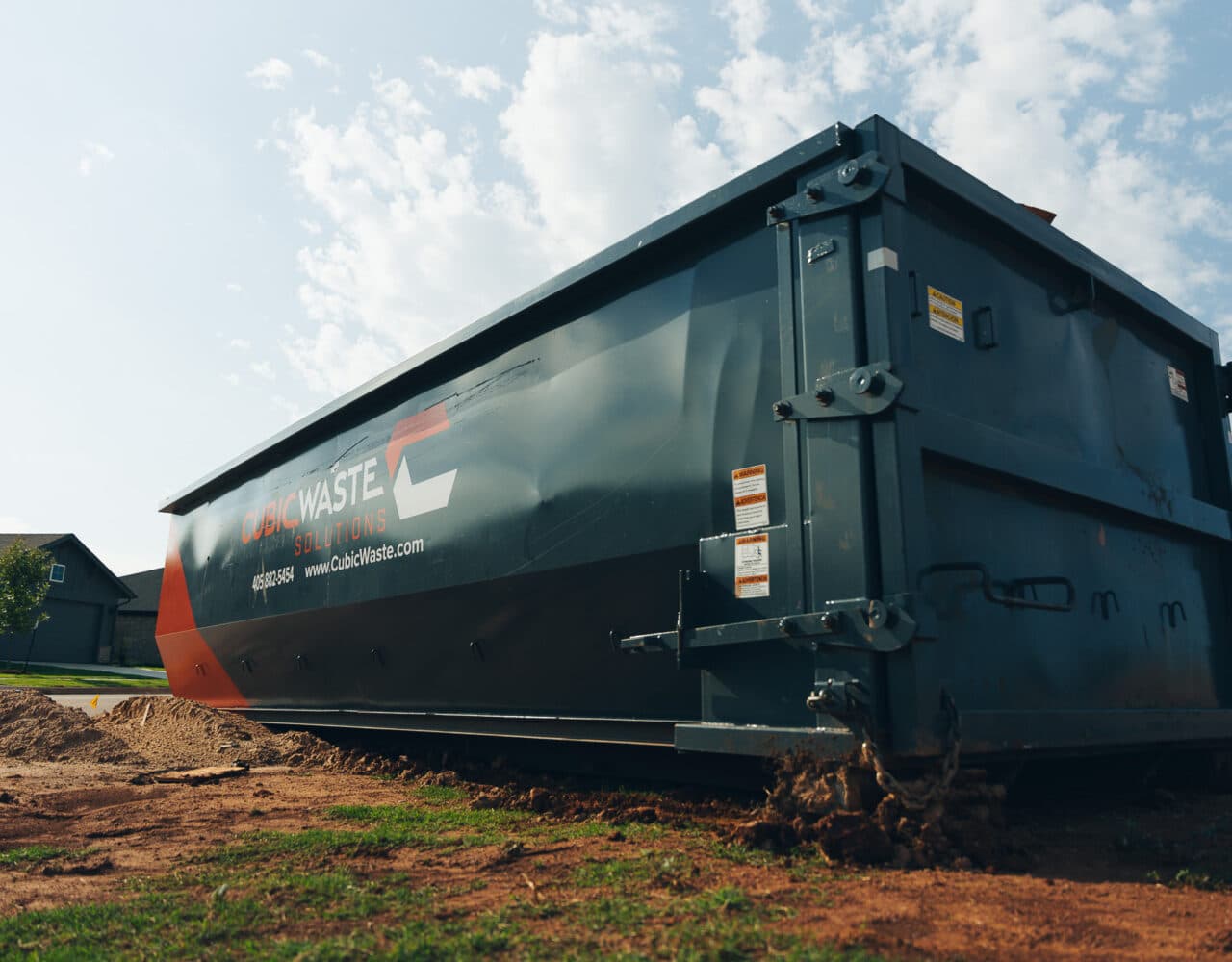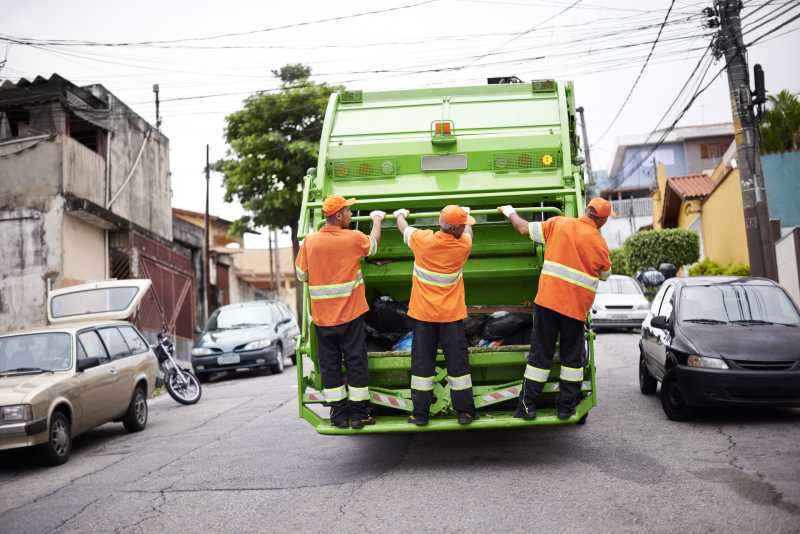
A roll off dumpster rental for a backyard shed teardown gives homeowners one container for the wood, metal, roofing, and leftover contents that come out of an old outbuilding. In Peoria, where years of sun and monsoon storms take a toll on backyard sheds, many homeowners eventually decide it’s time to tear one down. A little planning before demo day makes the cleanup faster and helps you avoid surprises with size, weight, or disposal rules.
Start With What’s Inside the Shed
Most sheds hold more than garden tools. Before the walls come down, empty everything out and sort it into three piles: keep, donate, and discard. Old patio furniture, broken equipment, cracked storage bins, and worn-out holiday décor can usually go straight into the dumpster with the demolition debris.
Check corners and shelves carefully. Sheds in the Valley are a favorite hiding spot for scorpions, black widows, and pack rats, so wear gloves, long sleeves, and closed-toe shoes while you clear things out.
Know What Your Shed Is Made Of
The building material affects both the size of container you need and how heavy the load will be.
- Wood sheds produce bulky debris: framing lumber, siding panels, plywood floors, and asphalt shingles. They take up a lot of space but are usually manageable in weight.
- Metal sheds break down into thin panels and framing that can be flattened and stacked, which saves room.
- Resin or vinyl sheds are lightweight but awkward in shape. Cutting large panels into smaller pieces helps them fit better.
If your shed sits on a concrete slab and you plan to remove the slab too, treat that as a separate consideration. Concrete is extremely heavy, and many providers require it to go in a dedicated container for inert materials rather than mixed with general debris.
For older structures, consider having siding or roofing materials tested before demolition. Hazardous materials need special handling and cannot go into a standard waste container.
Sizing a Residential Dumpster Rental for a Shed Teardown
Size depends on the shed’s dimensions, its materials, and how much you’re clearing out along with it.
- 10-yard container: a good fit for a small metal or resin shed with modest contents.
- 15-yard container: works for a standard wood shed or a small structure with a lot of stored junk.
- 20-yard container: suits larger wood sheds, workshops, or projects that combine the teardown with a broader yard cleanup.
When choosing a residential dumpster rental, ask about the weight allowance that comes with each size. Most rentals include a set tonnage, with an added charge for anything over it. Dense items like shingles and lumber can add up faster than expected, so it helps to estimate honestly before booking.
If you’re unsure, many local providers will help you choose a size from a photo of the shed.
Planning Around Peoria Weather, HOAs, and Yard Access
Timing matters in Peoria. Summer afternoons are brutal for demolition work, so many homeowners schedule shed teardowns between October and April, or start work early in the morning during warmer months. Monsoon season can also bring sudden wind and rain that scatter loose debris, so keep the container loaded neatly and avoid leaving lightweight panels lying around the yard.
If you live in an HOA community, check its rules before your dumpster rental arrives. Some associations limit how long a container can sit in a driveway or require advance notice. Planning a quick turnaround keeps things simple.
Also think about where the container will go. Most homeowners place it on the driveway, as close to the backyard gate as possible. Measure the gate width and the path from the shed to the driveway so you know how debris will be carried out.
What Doesn’t Belong in the Dumpster
Sheds often store items that can’t go into a standard waste dumpster rental. Common examples include:
- Paint, stains, and solvents
- Pesticides, herbicides, and pool chemicals
- Gasoline, oil, and propane tanks
- Car and lawn equipment batteries
- Tires
Set these aside and take them to an appropriate household hazardous waste drop-off. The City of Peoria offers resources for disposing of these materials properly.
Preparing for Delivery Day
A few simple steps make delivery smoother:
- Clear the driveway of vehicles and obstacles.
- Make sure the delivery truck has overhead clearance, with no low branches or wires.
- Consider laying plywood boards under the container to help protect your driveway.
- Have tools ready, such as a reciprocating saw, pry bar, and drill, so you can break the shed down efficiently.
Load flat, heavy pieces first and fill gaps with smaller debris. This uses the space well and keeps the load level.
For homeowners on a tight timeline, some local providers offer same-day delivery, subject to availability and location. Companies such as Zona Dumpster Rentals offer waste dumpster rental
Peoria, AZ options in Peoria in several sizes, and their team can help match a container to the scope of a shed removal project.
Wrapping Up Your Shed Removal
Tearing down a backyard shed is a manageable weekend project when the debris plan is in place before the first panel comes off. Empty the shed, know its materials, choose a container that fits both the volume and the weight, and set hazardous items aside. If you’re ready to clear that corner of the yard, reach out to a local dumpster rental provider in Peoria, share a few details or a photo of your shed, and schedule delivery for the day your project begins.