Essentially:
• Basement flood damage cleanup in Elmhurst IL typically involves water extraction, drying, dehumidification, and sanitizing to stop mold growth within 24 to 48 hours.
• Professional crews use moisture meters and industrial air movers to verify hidden water pockets are fully dry before repairs begin.
• Acting quickly limits structural damage and reduces the risk of mold colonization in drywall, insulation, and flooring materials.
A flooded basement calls for fast action, because standing water can seep into walls, flooring, and insulation within hours of a storm or pipe failure. Homeowners looking for help typically want to know how quickly a crew can respond, what the cleanup process involves, and how to keep the same damage from happening again. You can find answers to those questions in the Parkside Restoration Business Information.
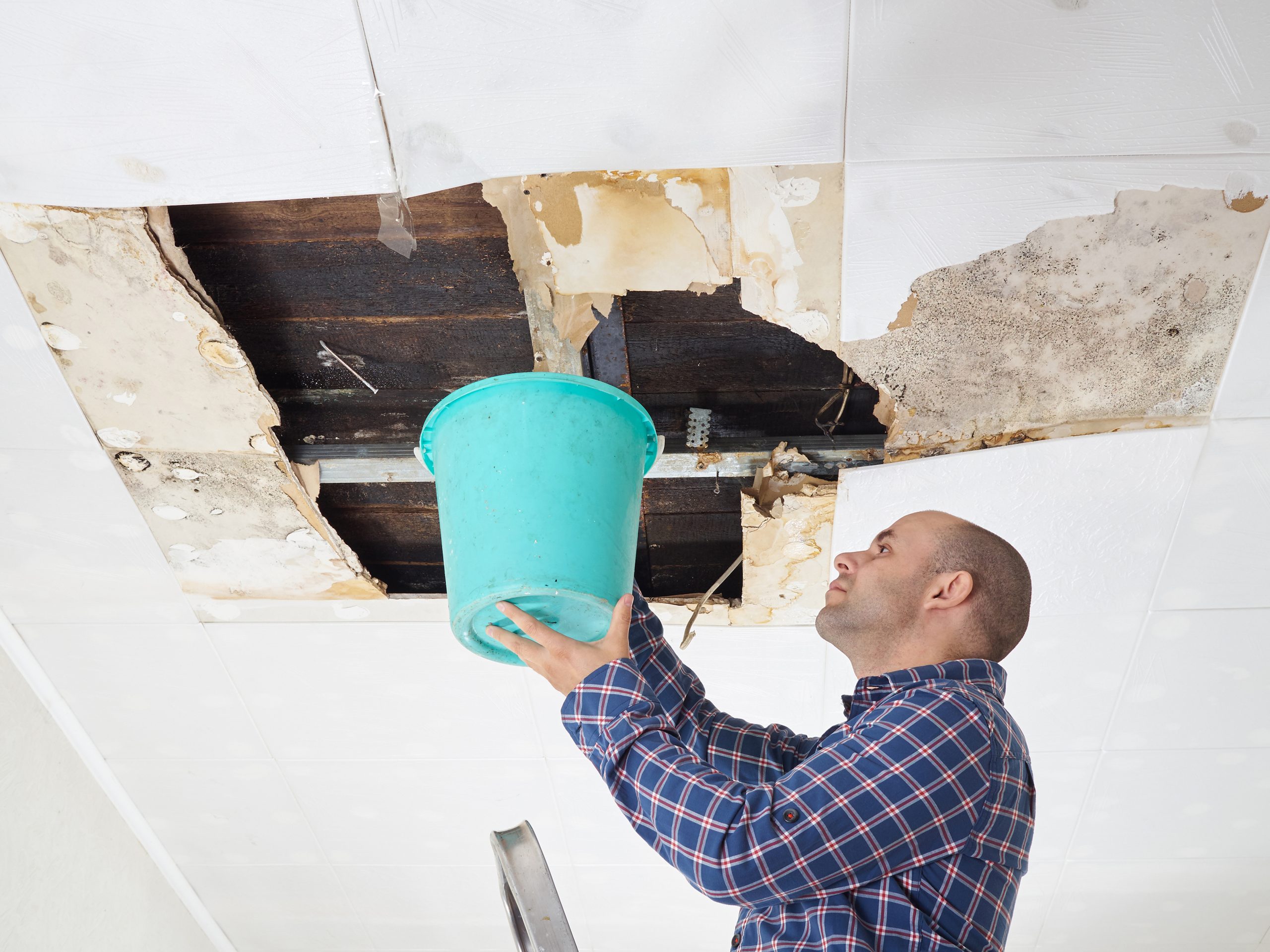
Basement Flood Damage Cleanup in Elmhurst IL starts with identifying the source of water intrusion, whether it is a sewer backup, foundation crack, sump pump failure, or heavy rainfall overwhelming drainage systems. Once the source is controlled, extraction equipment removes standing water so drying can begin. This early phase sets the pace for everything that follows, since delayed extraction allows water to migrate further into porous building materials.
Why Basements Flood in Elmhurst
Elmhurst sits in a region prone to seasonal thunderstorms and spring snowmelt, both of which can overwhelm residential drainage systems. Common flood triggers include:
• Heavy rainfall exceeding local stormwater capacity
• Sump pump failure during power outages
• Foundation cracks that widen over time
• Sewer backups from municipal line blockages
• Window well leaks after prolonged rain
According to the National Weather Service, flash flooding can develop within minutes during intense rainfall, making basements especially vulnerable since they sit below ground level where water naturally collects. Understanding these triggers helps homeowners recognize early warning signs, such as musty odors or damp carpet, before damage becomes severe.
The Cleanup Process Step by Step
A structured cleanup sequence matters because skipping steps can leave moisture trapped behind walls or under flooring. Most professional restoration follows this general order:
1. Water extraction – pumps and vacuums remove standing water quickly.
2. Moisture assessment – technicians use meters to map how far water has traveled into materials.
3. Drying and dehumidification – industrial air movers and dehumidifiers run until readings confirm materials are dry.
4. Cleaning and sanitizing – affected surfaces are treated to remove contaminants and reduce odor.
5. Monitoring – follow-up checks confirm no hidden moisture remains before repairs proceed.
Each stage depends on the one before it. Moving to repairs before drying is complete often leads to recurring mold issues or warped flooring months later.
DIY Cleanup vs Professional Restoration
Many homeowners attempt initial cleanup themselves, but the scale of water damage often determines whether that approach is enough. The table below outlines key differences.
| Factor | DIY Cleanup | Professional Cleanup |
| Equipment | Shop vacs, fans | Industrial extractors, commercial dehumidifiers |
| Moisture detection | Visual inspection only | Moisture meters and infrared tools |
| Mold risk management | Limited, reactive | Proactive drying to prevent growth |
| Time to full dry-out | Days to weeks | Typically faster with continuous monitoring |
Minor spills from a leaking appliance may be manageable without outside help. Flooding from storms, sewer backups, or prolonged water exposure usually requires equipment and moisture verification beyond what most households have on hand.
Preventing Future Basement Flooding
Reducing future risk means addressing both the water source and the home’s drainage systems. Practical steps include:
• Testing sump pumps regularly, especially before storm season
• Installing a battery backup for sump systems to guard against power outages
• Sealing visible foundation cracks before they widen
• Extending downspouts away from the foundation
• Grading soil so it slopes away from the house
The Illinois Department of Natural Resources notes that floodplain and drainage conditions vary by municipality, so homeowners should check local flood risk resources specific to their property. Combining preventive maintenance with a working sump system remains one of the most effective ways to limit repeat flooding.
Frequently Asked Questions
How fast does mold grow after a basement floods? Mold can begin colonizing damp materials within 24 to 48 hours, which is why rapid extraction and drying are treated as priorities rather than optional steps.
Can I stay in my home during basement flood cleanup? In most cases yes, since the work is contained to the basement, though strong odors or active mold growth may warrant temporary ventilation adjustments.
What items in a flooded basement usually cannot be saved? Porous materials like carpet padding, drywall, and particleboard furniture that have been submerged for an extended period are often discarded due to contamination risk.
Does homeowners insurance cover basement flood damage? Coverage depends on the cause and the specific policy, so homeowners should review their plan details or speak directly with their insurance provider to confirm what is included.
Basement flooding is a common but manageable problem when addressed with the right sequence of extraction, drying, and verification. Homeowners who understand the warning signs and act quickly tend to see less structural damage and fewer repeat issues over time. For residents evaluating local support, View Parkside Restoration’s Location on Google Maps to see service details and reviews from the surrounding Elmhurst community.