Key point:
- Professional network cabling covers structured cabling, fiber optic installation, and network hardware setup for offices, healthcare facilities, and industrial sites.
- Projects typically follow TIA-568 industry standards for cable categories, distances, and testing.
- Timelines and scope depend on building size, cable category, and whether new construction or renovation is involved.
Professional network cabling installs and organizes the physical wiring, usually Cat5e, Cat6, or fiber optic lines, that carries data, voice, and security signals through a commercial building. The process typically includes site assessment, cable routing, termination, and performance testing against recognized industry benchmarks.
Businesses searching for network hardware setup by CableEx are usually dealing with one of three situations: a new office buildout that needs wiring from scratch, an older building with outdated or failing cabling, or a facility expansion that requires additional network drops. Each scenario calls for a different scope of work, though the underlying materials and methods tend to follow the same technical framework regardless of project size.
How Structured Cabling Projects Are Typically Scoped
A structured cabling project generally starts with a walkthrough of the space to count work areas, locate the main equipment room, and map out where cable runs will travel through walls, ceilings, or conduit. Installers then determine which cable category fits the building’s bandwidth needs.
Common elements of a commercial cabling scope include:
- Cat5e or Cat6 copper cabling for standard data and voice connections
- Fiber optic cabling and splicing for longer runs or higher bandwidth demands
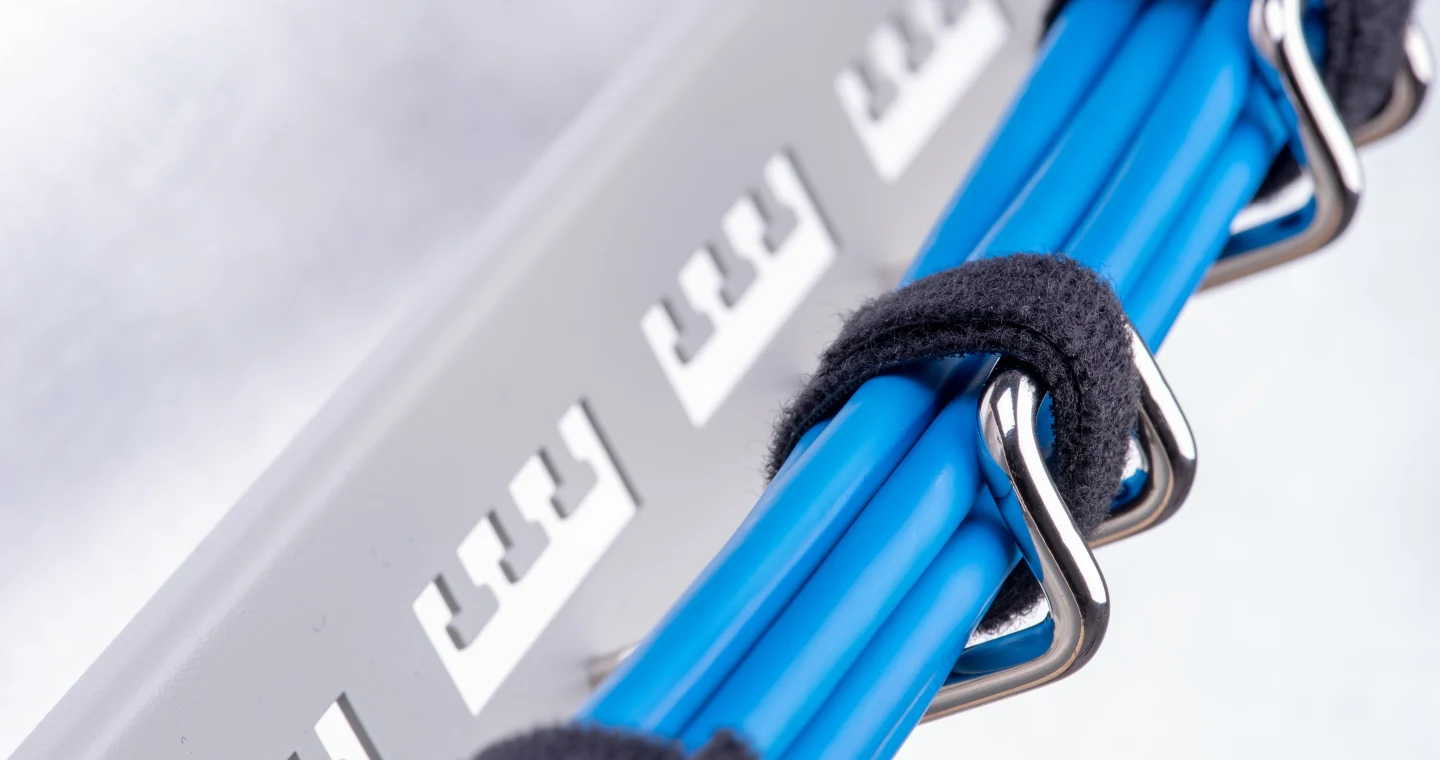
- Network rack design, patch panel setup, and cable management
- Wireless access point wiring for campus-wide WiFi coverage
- Network hardware installation, including switches and routers
Cable installation and testing in the United States commonly follows the ANSI/TIA-568 commercial building telecommunications cabling standard, which defines cable types, maximum run distances, connector specifications, and testing procedures. This standard matters because it governs how far a cable can run before signal quality degrades and what termination methods keep a network reliable over time.
What Happens During Installation
Once the design phase is finished, crews typically run cable through ceilings, walls, and conduit paths while following local building and fire codes. Phoenix’s commercial construction activity, which includes a mix of new builds and retrofits in older office parks, often means cabling teams work around existing electrical systems and HVAC ductwork rather than starting with a blank structure.
After cables are pulled and terminated, each run is tested for continuity, length, and signal performance before it is labeled and documented. A properly tested installation reduces the chance of intermittent connectivity problems that are harder to diagnose after drywall and ceiling tiles go back up. Projects involving fiber optic cabling also require splicing and optical loss testing, which differs from copper cable testing in both equipment and technique.
Typical Project Scope by Facility Type
| Facility Type | Common Cabling Needs | Added Considerations |
|---|---|---|
| Office buildings | Cat6 data/voice drops, rack setup | Tenant improvement coordination |
| Healthcare facilities | Structured cabling, access control wiring | Compliance with facility uptime needs |
| Warehouses/industrial | Fiber runs, wireless access points | Longer cable distances, harsh environments |
| New construction | Full structured cabling design | Coordination with electrical rough-in |
Based in the USA, CableEx serves commercial clients across Phoenix, AZ, with a field team that handles structured cabling, fiber optic splicing, and related network hardware work. Get directions to CableEx for location details tied to its Google Business Profile listing.
Questions to Ask Before Starting a Project
Property managers and IT staff evaluating a cabling project should clarify scope before work begins to avoid mismatched expectations.
- What cable category does the building actually need? Cat6 supports higher bandwidth than Cat5e, which matters for facilities planning future equipment upgrades.
- Will testing documentation be provided? Written test results for each cable run confirm the installation meets performance standards.
- Does the project involve fiber splicing? Fiber work requires specialized tools and adds time compared to copper-only jobs.
- How will cabling integrate with existing security or access control systems? Network cabling often supports camera systems and access control hardware on the same infrastructure.
Frequently Asked Questions
What is the difference between Cat5e and Cat6 cabling? Cat6 cable supports higher bandwidth and longer effective transmission distances at higher speeds than Cat5e, making it a common choice for newer installations expecting future network demand.
Does network cabling work require permits in Phoenix, AZ? Permit requirements depend on the scope of work and whether electrical modifications are involved; checking with local building code offices before a project starts is standard practice.
How long does a typical office cabling project take? Timelines vary widely based on square footage, number of drops, and whether work happens during business hours or after hours, so an on-site assessment is the most reliable way to estimate duration.
Can existing cabling be reused during an upgrade? Older cabling is sometimes tested and reused if it meets current performance needs, though many upgrades replace outdated copper runs entirely to support higher bandwidth requirements.
Network cabling decisions affect how a building’s data, voice, and security systems perform for years, so reviewing scope, cable category, and testing documentation before work begins is a practical first step for any Phoenix, AZ facility planning an installation or upgrade.