Briefly:
- Match your goals (social dancing, wedding prep, fitness, or competition) to a studio’s lesson formats before enrolling.
- Look for a mix of private lessons, group classes, and practice parties, since this combination supports faster skill retention.
- Confirm dance styles offered (ballroom, Latin, swing, country western) align with what you actually want to learn.
Choosing the right studio comes down to matching your personal goals, whether that is a wedding dance, social confidence, or fitness, with a program structure that actually supports how people learn to dance. The clearest way to do this is to compare lesson formats, instructor approach, and the specific dance styles taught before committing to lessons.
If you are searching for a Dance Studio in Humble, TX, the practical starting point is figuring out what “right fit” means for your situation. A beginner preparing for a first dance has different needs than someone who wants weekly social dancing as a hobby. Narrowing this down early saves time and helps you ask better questions during a trial visit.
Define Your Dance Goal Before You Compare Studios
Most people fall into one of a few common categories when they start looking for lessons.
- Wedding or event preparation — learning one or two dances well within a set timeframe.
- Social dancing — building comfort on the floor at parties, cruises, or nightclubs.
- Fitness and stress relief — using movement and rhythm as a low-impact physical outlet.
- Long-term skill building — working toward more advanced ballroom or Latin technique over months or years.
Recent research supports dance as a legitimate wellness activity beyond entertainment value. A 2025 systematic review published in Frontiers in Psychology found that dance has gained popularity as a physical exercise that can reduce anxiety, boost physical self-esteem, and improve mental health. The same review noted that dance programs tend to have lower drop-out rates compared to other structured physical or psychological interventions, making them an effective and sustainable method to enhance mental health. For readers who want a broader look at physical activity guidelines generally, the CDC’s physical activity basics page offers useful context on movement and health.
What to Look for in Lesson Structure
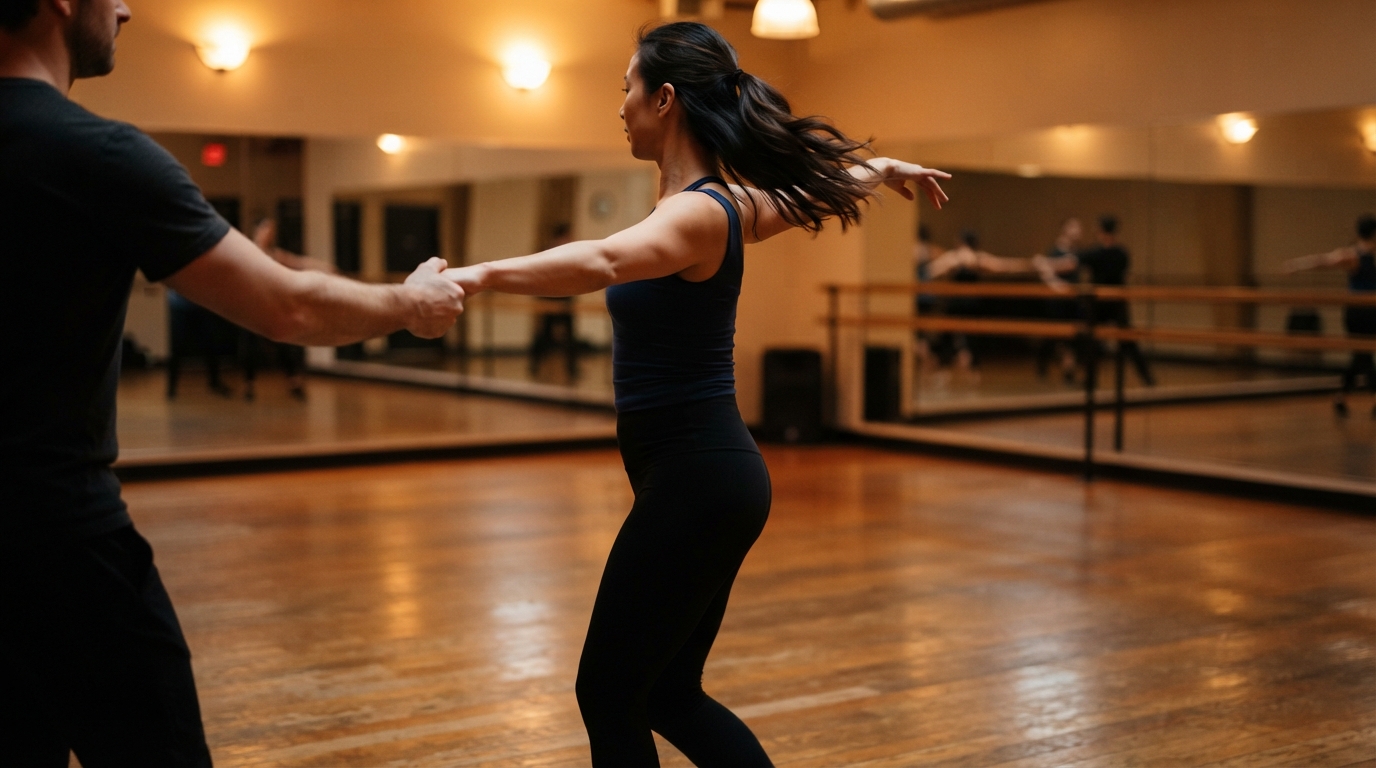
A studio’s teaching format matters as much as the styles it offers. Programs that combine multiple lesson types tend to build skill more consistently than single-format classes.
| Lesson Type | Best For | What It Offers |
| Private lessons | Personalized pacing, correcting technique early | One-on-one instructor attention |
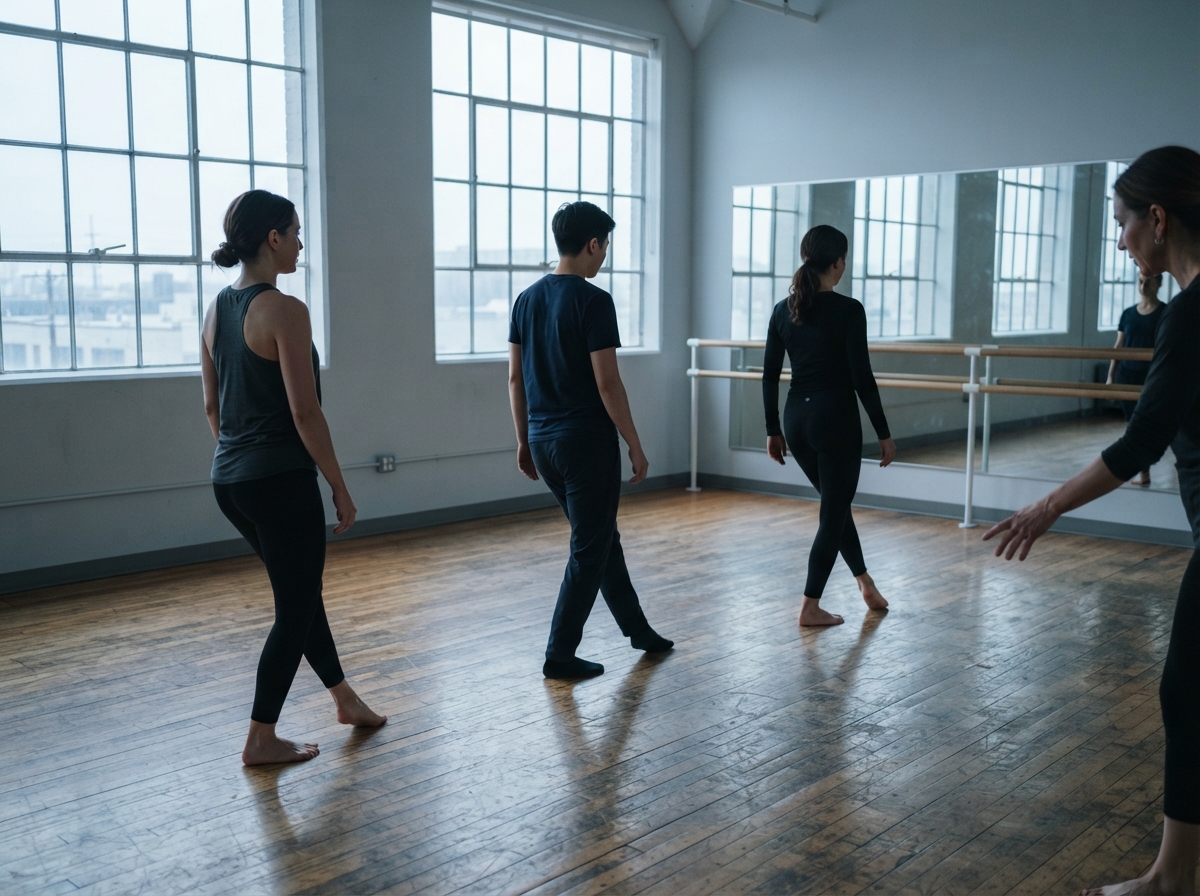
| Group classes | Learning alongside others, social confidence | Shared practice in a class setting |
| Practice parties | Applying skills in a real social setting | Informal floor time with music |
At Fred Astaire Dance Studios in Humble, this three-part structure is the core of how lessons are organized. The studio’s own materials describe a teaching approach that combines group sessions, private lessons, and practice parties to ensure students have a fantastic time while learning to dance, with private instruction offering personalized attention that ensures you won’t learn bad habits that then have to be corrected.
Compare Dance Styles Against Your Interests
Not every studio teaches the same range of styles, so confirm the specific dances match your goal.
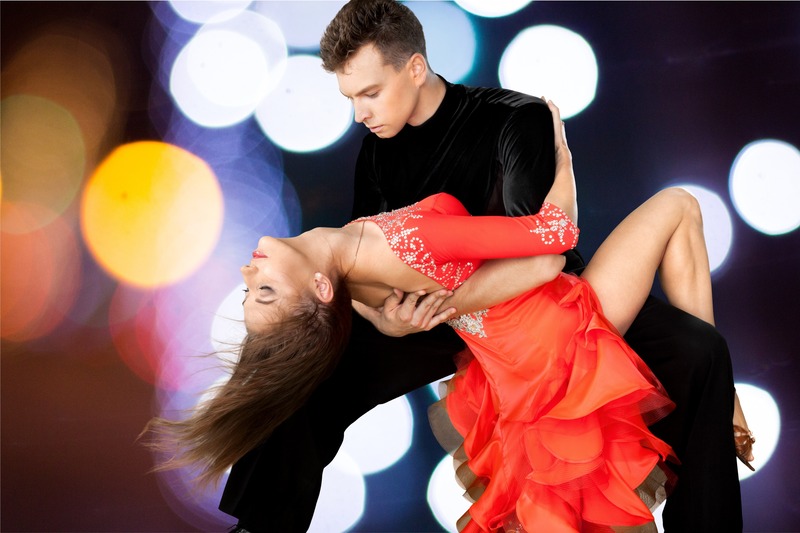
- Ballroom staples — waltz, tango, foxtrot, and quickstep for classic technique.
- Latin dances — cha-cha, rumba, salsa, and mambo for rhythm-focused movement.
- Swing styles — including East Coast Swing, useful for social and party settings.
- Country western — relevant for regional social dancing in Texas venues.
The Humble location lists over 20 types and styles of dance ranging from wedding dance lessons to ballroom dance classes, including country western dance lessons, which covers most common goals from a first wedding dance to ongoing social dance skill.
Questions to Ask Before Your First Lesson
A short trial visit or intro call should answer these before you commit:
- Does the studio offer a trial or introductory lesson to test fit?
- Are private lessons available alongside group classes, not just one format?
- Do instructors track your progress across sessions?
- Is there a regular practice party or social floor time to apply new skills?
The studio’s private lesson program notes that instructors work by keeping detailed records on your progress each new lesson will pick up right where the last one left off, which is a reasonable benchmark to ask about at any studio you are considering.
Frequently Asked Questions
How many lessons does it take to learn a first dance for a wedding? This varies by couple and dance style, so ask any studio you visit how they structure a timeline around your wedding date and current experience level.
Do I need a dance partner to start lessons? No. Most studios, including group class formats, are designed for individuals as well as couples, since group settings rotate partners during practice.
What is the difference between private and group lessons? Private lessons focus one-on-one on your specific technique and pace, while group classes build skills in a shared, social class environment alongside other students.
Can adults with no dance background start at a beginner level? Yes. Beginner-focused instruction is standard at most ballroom and social dance studios, with lessons designed to build foundational steps before moving to more advanced patterns.
Finding the right fit means being honest about your goal, testing the lesson format in person, and confirming the studio teaches the styles that match what you want to learn. For couples, individuals, or families in the Humble area exploring lesson options firsthand, Fred Astaire Dance Studios – Lake Houston offers private lessons, group classes, and practice parties at its West Lake Houston Parkway location, where you can ask these questions directly and see the studio environment before enrolling.