In short:
• Metal roof panel choice depends on panel profile, gauge thickness, and finish, each affecting durability and cost.
• Standing seam and corrugated panels are the two most common styles for homes and outbuildings in the Englewood area.
• Local climate factors like hail and snow load should guide material and installation decisions.
Choosing the right metal roof panels starts with understanding how panel profile, metal gauge, and coating type interact with Colorado’s weather patterns, particularly hail and heavy snow. Homeowners who match these specs to their roof pitch and exposure typically get the longest service life from their investment.
Front Range homeowners researching metal roof panels in Englewood CO often start with a simple question: which panel style actually holds up best against hail and heavy snow load. The answer depends less on brand and more on panel profile, gauge, and how the roof is fastened. Getting those three details right before ordering material saves money and prevents callbacks down the line.
Panel Profiles and What They Mean for Your Roof
Metal roofing comes in a handful of common profiles, and each one changes how the roof performs and looks.
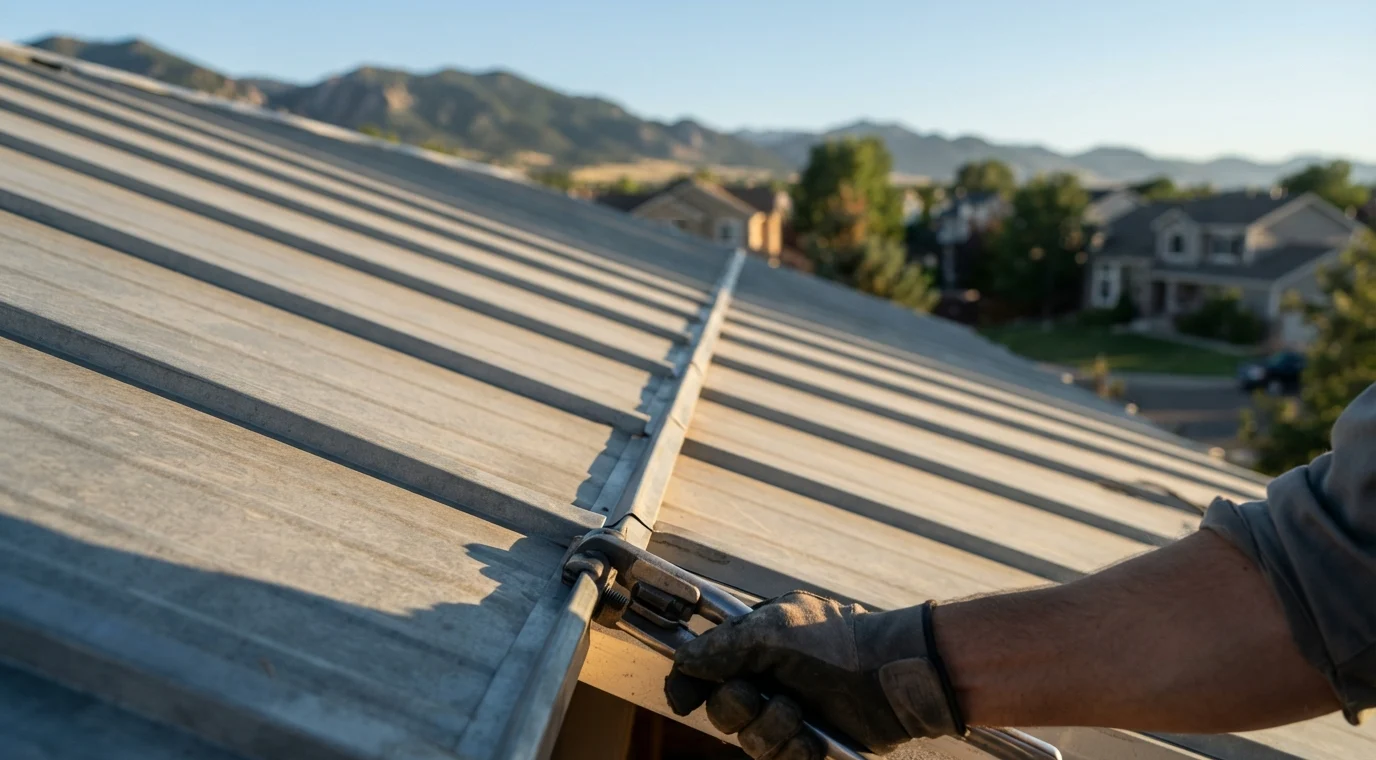
• Standing seam panels use raised, interlocking seams with no exposed fasteners, which reduces leak points over time.
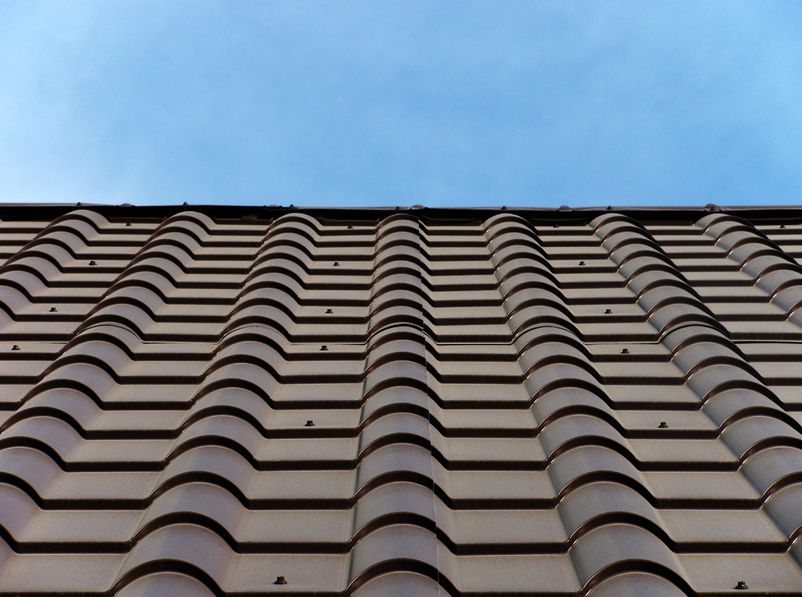
• Corrugated panels have a wavy profile and exposed screws, making them a budget-friendly option for garages, barns, and agricultural structures.
• Ribbed or R-panel styles sit between the two, offering exposed fasteners but a cleaner, more linear look than corrugated sheet.
Exposed-fastener systems generally cost less upfront but require periodic fastener inspection, since gaskets can wear and loosen with temperature swings. Concealed-fastener systems like standing seam cost more per square but shed water and snow more reliably on lower-slope roofs.
Gauge, Coatings, and Climate Considerations
Panel thickness is measured in gauge, and a lower gauge number means thicker, more impact-resistant metal. For a region that sees frequent hail events, panel gauge and coating quality matter as much as style.
Colorado’s Front Range experiences some of the highest hail frequency in the country, and the National Oceanic and Atmospheric Administration’s Storm Prediction Center tracks these events as part of its severe weather climatology. Builders in hail-prone zones often favor 26-gauge or heavier steel panels with a Class 4 impact rating, since that rating reflects a panel’s resistance to cracking or denting under simulated hail impact.
Coatings also affect longevity. Galvalume and painted steel panels with a baked-on finish resist corrosion and fading better than bare or lightly coated alternatives, which matters given Englewood’s intense high-altitude sun exposure.
| Panel Type | Typical Gauge | Fastener Style | Best Use Case |
| Standing Seam | 24-26 ga | Concealed clips | Low-slope roofs, homes |
| Corrugated | 26-29 ga | Exposed screws | Barns, sheds, garages |
| Ribbed/R-Panel | 26-29 ga | Exposed screws | Outbuildings, light commercial |
Installation Factors That Affect Long-Term Performance
Panel selection only matters if installation accounts for local conditions. A few details make a measurable difference over the life of the roof.
1. Proper underlayment reduces ice damming risk during spring freeze-thaw cycles common along the Front Range.
2. Correct panel overlap and sealant application at seams prevent wind-driven rain intrusion.
3. Matching fastener spacing to manufacturer specs keeps panels secure under wind gusts and snow load.
4. Ventilation at the ridge and eaves helps regulate attic temperature, which extends the life of both the roof deck and panel coating.
Roofs installed without attention to these details may look fine initially but often show premature wear at seams, fasteners, or flashing points within a few years.
Comparing Panels for Residential Versus Outbuilding Use
Not every structure needs the same panel system. A primary residence usually benefits from the cleaner look and tighter seal of standing seam, while detached garages or storage buildings can perform well with corrugated or ribbed panels at a lower cost per square foot. Matching the panel to the structure’s purpose, rather than defaulting to one style for every project, keeps the budget realistic without sacrificing durability where it counts most.
Frequently Asked Questions
What gauge metal roof panel is best for hail-prone areas? Panels in the 24 to 26 gauge range with a Class 4 impact rating tend to hold up best against repeated hail impacts common along the Front Range.
Is standing seam worth the extra cost over corrugated panels? Standing seam costs more per square but has no exposed fasteners, which reduces long-term leak risk, making it a common choice for primary homes rather than outbuildings.
How long do metal roof panels typically last? Properly installed steel panels with a quality coating can last several decades, though actual lifespan depends on gauge, coating type, and maintenance.
Do metal panels need special maintenance after hailstorms? A visual inspection after major hail events is a reasonable practice, checking for dents, loosened fasteners, or coating damage near seams and flashing.
Choosing between standing seam, corrugated, and ribbed panels comes down to matching gauge, coating, and fastener style to both the structure’s purpose and Colorado’s hail and snow exposure. Homeowners weighing these options for a residential reroof or an outbuilding project can get project-specific guidance from 5280 Metal Supply, which serves the Englewood area with metal roofing material and installation support.