Simply put:
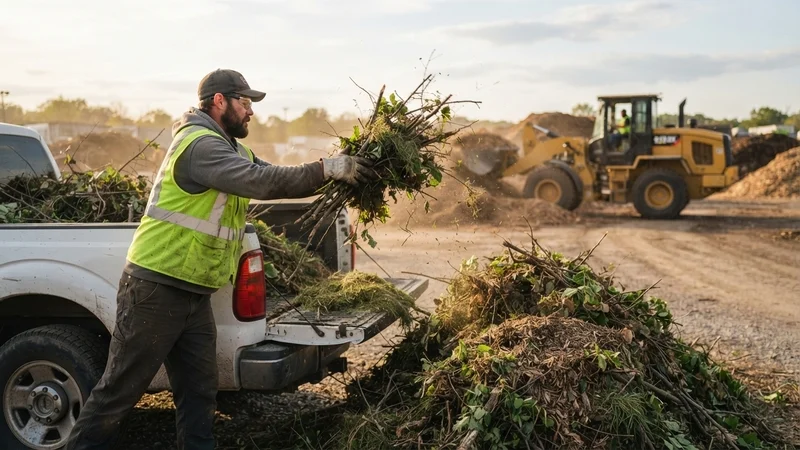
- Landscape debris such as grass clippings, branches, and stumps should be separated from household trash and taken to a dedicated drop-off facility or picked up through a yard waste program.
- Proper landscape debris disposal keeps organic material out of landfills and supports local recycling and composting efforts.
- Naples, FL residents and landscaping crews can use drop-off facilities that accept clean yard waste, including stumps and shredded material.
Clearing fallen branches, grass clippings, and storm debris from a property is only half the job. The other half is figuring out where that material goes, and getting it there in a way that follows local rules and keeps the yard looking tidy.
Proper landscape debris disposal starts with knowing what counts as yard waste and separating it from general household trash. Facilities that process this material typically accept grass clippings, leaves, branches, brush, and tree stumps, but reject items mixed with construction debris, trash bags, or treated wood.
Naples, FL homeowners and landscaping companies generate a steady volume of plant debris year-round, driven by a long growing season and frequent storm activity. Understanding how disposal facilities sort and price this material helps avoid wasted trips and rejected loads.
What Counts as Landscape Debris
Not all outdoor waste qualifies as clean yard material. Facilities generally define acceptable debris narrowly to keep processing efficient and the resulting mulch or compost usable.
- Grass clippings, leaves, and small brush
- Tree limbs and branches
- Stumps, often priced separately by diameter.
- Already shredded or chipped material
Material mixed with trash, plastic, metal, or construction debris is typically turned away. Keeping loads separated at the source saves time during drop-off and reduces the chance of a rejected load.
How Drop-Off Facilities Process Material
Most yard waste facilities follow a similar intake routine. Vehicles typically check in at a gate or call station, proceed to a scale or measuring area, and unload in a designated zone.
- Arrival and check-in at the facility entrance
- Measurement of the load to calculate cost
- Unloading in the area directed by staff
- Payment and departure, with an invoice issued or adjusted if needed
Pricing for yard waste drop-off is often calculated per cubic yard, with separate rates for stumps based on size and for already-shredded material. Facilities serving landscaping companies sometimes offer account-based billing for crews making repeat trips.
Disposal Options Compared
| Method | Best For | Typical Limitation |
| Curbside yard waste pickup | Small residential loads | Limited to municipal schedules and volume caps |
| Drop-off facility | Larger loads, stumps, commercial crews | Requires transporting material to the site |
| Backyard composting | Grass clippings, leaves | Not suited for branches, stumps, or large volumes |
| On-site chipping/mulching | Brush and small branches | Requires equipment access |
Composting at home works well for smaller quantities of grass and leaves, while larger cleanups, storm debris, and stump removal generally call for a dedicated drop-off site built to handle volume. The EPA’s composting guidance outlines how yard trimmings are processed at municipal and on-site composting operations, which is useful context for property owners weighing composting against drop-off options.
Why Separation and Timing Matter
Clean yard waste that arrives free of trash, dirt clumps, or construction material is easier and cheaper to process into mulch, compost, or soil amendments. Mixed loads often cost more to sort or get rejected outright.
Storm season in Naples, FL can generate large volumes of downed branches and debris in a short window, making it useful to plan for disposal capacity for both homeowners and landscaping crews managing multiple properties.
Based in the USA, operations supporting the Naples, FL area typically accept clean concrete and yard waste. They process yard debris and related materials from residential and commercial sources.
Frequently Asked Questions
What materials are usually rejected at a yard waste drop-off? Trash, plastic bags, construction debris, and treated or painted wood are commonly turned away since they interfere with composting or mulch production.
Is stump disposal priced differently than regular yard waste? Yes, many facilities charge by stump diameter rather than by volume, since stumps require separate handling.
Can landscaping companies set up recurring accounts for debris drop-off? Some facilities offer account-based billing for landscaping crews that make frequent trips, which can simplify invoicing compared to paying per load.
Does already-shredded material cost less to dispose of? Facilities often charge a lower per-cubic-yard rate for material that has already been shredded or chipped, since it requires less processing.
Business Information
Current service details for Repurposed Material of Naples LLC are published for property owners and landscaping crews evaluating debris drop-off options in the area.