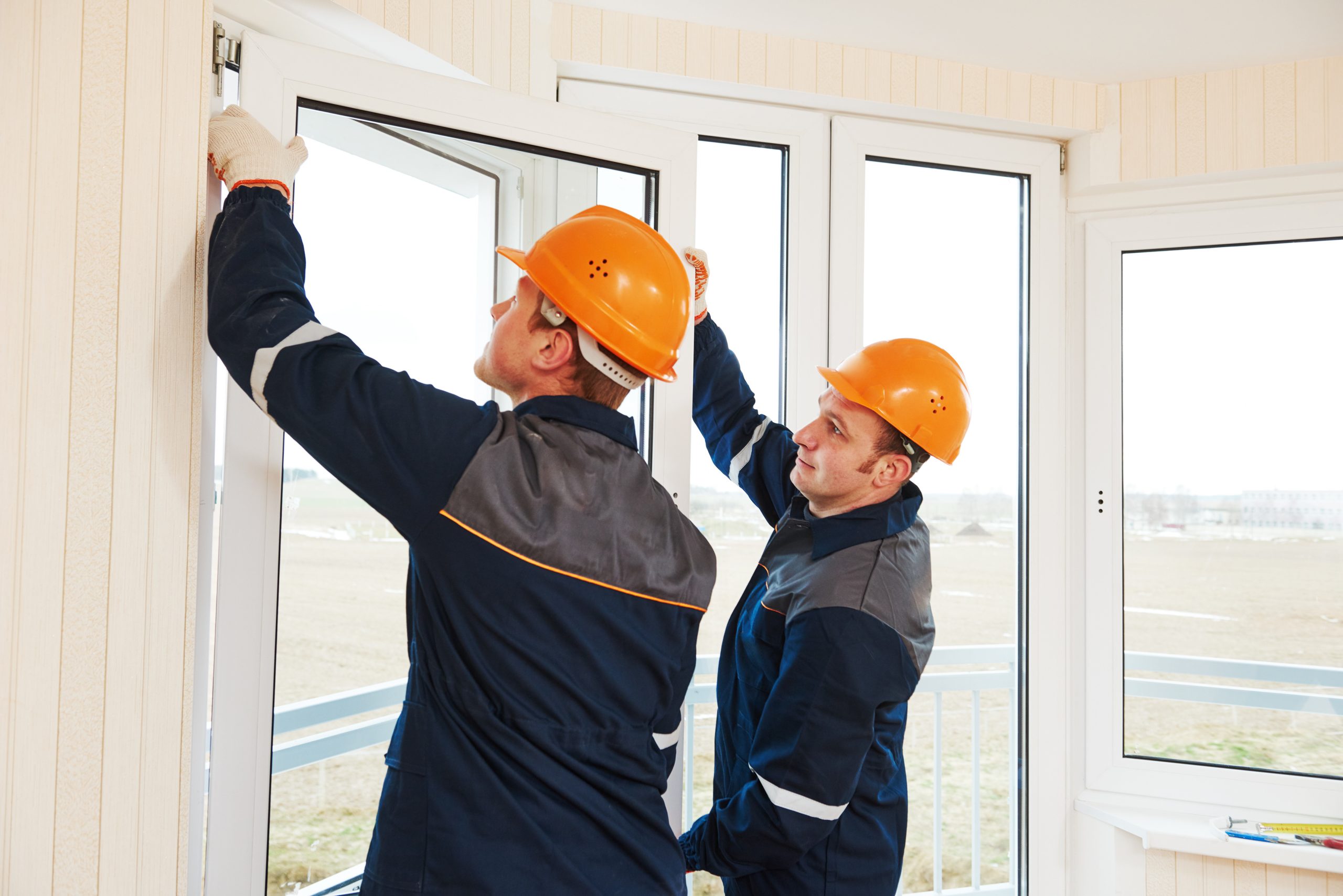
Wood windows remain a preferred choice for homeowners who want a frame material that combines natural insulation with classic visual appeal, though they require more upkeep than vinyl or fiberglass alternatives. For those researching wood windows as part of a renovation or new build, understanding both the benefits and the maintenance commitment is essential before making a purchase decision.
Wood has long been valued in residential construction for its natural cellular structure, which provides inherent thermal resistance without added materials. According to a comparison from This Old House, wood is a natural insulator, making wood windows inherently energy-efficient, and wood-clad versions can reduce maintenance while keeping that efficiency intact. This makes wood a practical option for homeowners prioritizing thermal comfort over the lowest upfront cost.
Why Homeowners Still Choose Wood Frames
Wood windows carry a distinct set of advantages that continue to make them relevant in both historic renovations and new construction.
- Natural insulation : Wood’s low thermal conductivity helps regulate indoor temperatures year-round.
- Classic aesthetics : Many homeowners prefer the visual warmth of real wood grain over synthetic alternatives, a point noted in comparisons of wood versus vinyl windows.
- Longevity with care : Properly maintained wood windows can last for decades and be refinished multiple times rather than replaced outright.
- Compatibility with older homes : Wood frames are often favored in historical neighborhoods because they match original architectural details.
These qualities explain why wood remains a benchmark material even as composite and fiberglass options expand.
Maintenance Realities for Denver’s Climate
Colorado’s temperature swings, intense UV exposure, and seasonal moisture make maintenance planning especially important for wood window owners in Denver, CO. Unlike vinyl, wood is more vulnerable to the freeze-thaw cycles and sun exposure common across the region, which can accelerate wear if upkeep is skipped.
Homeowners should expect the following recurring tasks:
1. Repainting or restaining every several years to seal the wood against moisture.
2. Inspecting for rot or insect damage, particularly after heavy snow or rain seasons.
3. Checking seals and weatherstripping to confirm the frame still closes tightly.
4. Cleaning tracks and hardware to prevent debris buildup that strains moving parts.
Wood-clad windows, which pair a wood interior with a weather-resistant exterior shell, can reduce some of this burden while preserving the insulating benefits of wood construction.
Wood Windows Compared to Common Alternatives
|
Feature |
Wood Windows |
Vinyl Windows |
Fiberglass Windows |
|
Insulation |
High, natural thermal resistance |
Good, improves with added insulation |
Very good to excellent |
|
Maintenance |
Higher; regular painting/sealing needed |
Low maintenance |
Low maintenance |
|
Typical Lifespan |
Decades with proper care |
Long-lasting, less upkeep required |
Long-lasting, durable in extreme conditions |
|
Aesthetic Appeal |
Natural wood grain, traditional look |
Limited color/texture options |
Can mimic wood or modern finishes |
Selecting a frame material ultimately depends on how much a homeowner values appearance and insulation against the time commitment required for upkeep. For buyers evaluating efficiency ratings, the ENERGY STAR program outlines which window assemblies, including wood-framed options, meet federal performance guidelines based on U-Factor and climate zone.
Based in the USA, Portella’s Steel Doors and Windows serves customers across Denver, CO, offering a point of reference for homeowners comparing frame materials and performance standards before a purchase.
Frequently Asked Questions
Do wood windows cost more than vinyl windows? Wood windows typically carry a higher upfront price than vinyl, reflecting both material costs and the craftsmanship involved in their construction.
How often do wood windows need repainting? Most guidance recommends repainting or resealing wood window frames every five to seven years to prevent moisture infiltration and rot.
Are wood-clad windows a good compromise? Wood-clad windows combine a wood interior with a protective exterior layer, which can lower maintenance demands while retaining much of wood’s natural insulating performance.
Can wood windows handle Denver’s climate? Wood windows can perform well in Denver, CO when properly sealed and inspected regularly, since the region’s temperature swings and sun exposure place extra demands on exterior finishes.
Current availability details for Portella’s Steel Doors and Windows are published for the local service area.