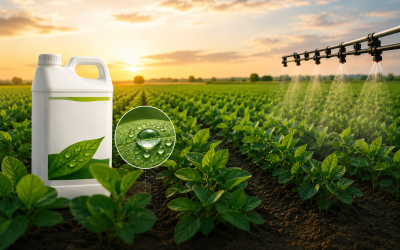
Achieving optimal crop yields while maintaining environmental safety is a top priority for modern agriculture. Farmers and land managers face the challenge of controlling weeds effectively without compromising the health of their crops or the surrounding ecosystem. In this context, the search phrase Surfactant For Herbicides is frequently entered by those seeking ways to enhance herbicide performance and ensure safer, more productive harvests.
Surfactants are specialized additives that, when combined with herbicides, improve the interaction between the chemical solution and plant surfaces. These compounds reduce the surface tension of spray droplets, allowing herbicides to spread more uniformly and penetrate the waxy cuticle of weed leaves. This increased coverage means the active ingredient in the herbicide is more effectively absorbed, resulting in improved weed control and less chemical wastage.
Safety is another crucial aspect of using surfactants with herbicides. By ensuring that herbicides adhere better to targeted weeds, surfactants help minimize the risk of drift, which can harm desirable crops or nearby wildlife. This targeted application reduces the likelihood of over-spraying and decreases the amount of herbicide required, promoting more environmentally responsible farming practices.
The benefits of surfactants are especially apparent in challenging weather conditions. For instance, during periods of drought or when rain is imminent, surfactants help herbicides remain effective by enhancing their sticking and spreading properties. This adaptability is vital for American farmers who must contend with unpredictable climates and the need for consistent weed management throughout the growing season.
Choosing the right surfactant depends on the type of herbicide used and the specific crop environment. Non-ionic surfactants are widely used due to their compatibility with most herbicides and their ability to improve coverage without causing plant injury. Farmers should follow label recommendations and consider consulting agricultural extension services to ensure the safest and most effective use of these products.
By improving herbicide performance, reducing environmental impact, and enhancing crop yields, surfactants have become an essential tool for those committed to sustainable and productive farming.
For more information on Surfactant For Herbicides, Contact ProSolutions at https://www.ourprosolutions.com/.