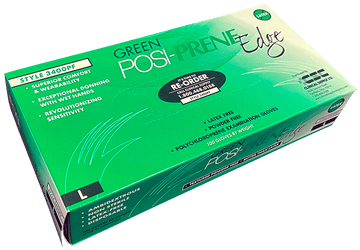
Latex allergies present a significant concern in dental practices, affecting both patients and staff. With the widespread use of gloves in clinical environments, finding suitable alternatives is essential to ensure safety and comfort for everyone. Many dental professionals search for Dental Gloves For Latex Allergy to address this need in their clinics, seeking options that provide protection without compromising health. Understanding the importance of selecting the right glove materials can help create a safer, more inclusive environment for all.
Understanding Latex Allergies in Dental Settings
Latex allergies are caused by an immune response to proteins in natural rubber latex, which is commonly used in traditional dental gloves. Symptoms can range from mild skin irritation to severe anaphylactic reactions, making it critical for dental practices to minimize exposure risks. Dental professionals and patients with a history of allergies are particularly vulnerable, and even incidental contact can trigger adverse reactions. Recognizing the signs of latex sensitivity and proactively choosing alternative glove materials can reduce the risk of allergic incidents in your clinic.
Safer Glove Alternatives for Dental Clinics
Several glove materials have been developed to meet the safety needs of those with latex allergies. Nitrile gloves are among the most popular alternatives, offering excellent puncture resistance, durability, and chemical protection. They closely mimic the fit and feel of latex, which helps maintain dexterity during dental procedures. Vinyl gloves, another widely used option, are latex-free and suitable for short-term, low-risk tasks. While they may not be as durable as nitrile, they provide a cost-effective solution for clinics that aim to serve individuals with allergies.
Polyethylene gloves are also available, though they are less commonly used for dental procedures that require precision. These gloves are suitable for situations where minimal protection is needed, such as administrative tasks or handling non-hazardous materials. When selecting the best alternative, dental professionals should consider the level of protection required, glove fit, tactile sensitivity, and the specific procedures being performed.
Implementing Allergy-Safe Practices in Your Clinic
Transitioning to latex-free gloves is only one aspect of creating a safe environment for those with allergies. Clinics should establish clear protocols for identifying individuals with latex sensitivities and ensure that all staff are trained to recognize and respond to allergic reactions. Stocking multiple glove types and maintaining proper labeling can help prevent accidental exposure. Additionally, updating patient intake forms to include allergy information and displaying visible signage about the use of latex-free products can reassure both patients and staff.
Regular reviews of glove inventory and supplier options ensure that the clinic remains compliant with best practices for allergy prevention. Open communication with staff about glove preferences and sensitivities can further enhance safety and comfort within the workplace.
Choosing safer alternatives to traditional dental gloves is an important step in supporting the health of both staff and patients. For clinics seeking reliable sourcing and expert guidance on suitable products, Clinical Supply Company stands out as a trusted partner in providing high-quality, allergy-safe dental gloves and supplies.