Contractors should plan dumpster service around inspections by considering what happens if work pauses, resumes, or moves into a different debris-producing phase after the inspection. In Buckeye, AZ, coordinating dumpster rental timing with these transitions can help prevent a container from being removed too early or remaining on-site without matching the project’s current needs.
Inspection dates are useful checkpoints for reviewing debris capacity and upcoming work. They should not automatically determine when a dumpster arrives or leaves.
How Can an Inspection Pause Affect Dumpster Planning?
Some construction phases may pause while required inspections or approvals are completed. When that happens, debris generation may temporarily slow even though the overall project is far from finished.
Contractors should look at how long the pause is expected to last and what work will follow.
If debris-producing work is expected to resume shortly, continued access to a construction dumpster rental may still be useful. If the project will remain in a low-debris stage for an extended period, the existing service schedule may need to be reviewed.
What Should Contractors Review Before the Inspection?
Before an inspection, review how much debris the current project phase has produced and how much usable container capacity remains.
A dumpster that is nearly at capacity before an inspection may not have enough room for the work scheduled afterward. On the other hand, a container with substantial remaining capacity may continue supporting later phases.
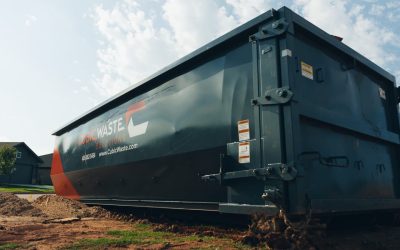
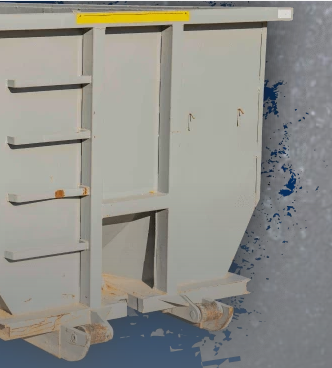
A waste dumpster rental Buckeye, AZ should remain accessible for service when needed, so conditions around the container matter alongside capacity.
What If an Inspection Is Delayed?
An inspection delay can affect more than the construction schedule. It can also change how long a dumpster remains on-site and when additional service is needed.
If a pickup was planned around the original inspection date, contractors should reconsider whether that timing still makes sense.
Removing a container while debris-producing work is simply delayed could create another scheduling need when work resumes. At the same time, contractors should not assume that an existing rental arrangement can automatically be extended.
If the timeline changes, the rental provider should be contacted to discuss scheduling and available options.
Should the Dumpster Be Serviced During a Project Pause?
A temporary pause can provide an opportunity to evaluate the container before the next active phase begins.
If substantial debris has accumulated, contractors may decide that service is needed before crews return. This can provide available capacity when debris production increases again.
However, service should be based on actual need. A partially used roll off dumpster rental does not automatically need attention simply because the project has reached an inspection milestone.
How Should Contractors Plan for Work That Starts After Approval?
The period immediately after an inspection can be important for dumpster planning.
Once a project is cleared to proceed, several activities may restart close together. Crews may return, materials may arrive, and debris generation may increase quickly.
Contractors can anticipate this by reviewing the next stage before the inspection occurs. Knowing what kind of work is expected afterward helps determine whether the existing dumpster has enough capacity or whether another service arrangement may be needed.
Can Same Day Rental Help When Work Restarts Quickly?
Same day rental can be useful when a project moves forward sooner than anticipated and appropriate dumpster capacity is not currently available.
For example, an inspection may be completed earlier than expected, allowing crews to resume work quickly. If the previous container has already been removed or additional capacity is needed, faster scheduling may help support the revised timeline.
Availability can vary based on location, container needs, access, and scheduling. Contractors should communicate those details when asking about same-day options.
How Can Material Deliveries Affect Post-Inspection Dumpster Service?
Material deliveries often increase when a project enters a new stage.
Those deliveries can affect the same driveways, gates, staging areas, or vehicle routes needed for dumpster rental service. A pickup or delivery scheduled at the same time as a major material shipment could create unnecessary congestion.
Before crews restart, contractors should compare dumpster service timing with other planned site activity.
When Should the Dumpster Be Removed After an Inspection?
A dumpster should generally be removed based on the remaining debris needs and rental arrangement rather than simply because an inspection has been completed.
If significant debris-producing work remains, contractors should determine whether continued container access will be necessary. If the project is transitioning into stages that produce little debris, removal may become more appropriate.
How Can Contractors Keep Dumpster Service Aligned With Inspections?
Use each major inspection as a checkpoint for reviewing the project rather than an automatic trigger for dumpster service.
Consider current capacity, remaining work, expected delays, site access, and what crews will do once the project moves forward. If the schedule changes, review the dumpster plan along with it.
Preparing for an upcoming inspection? Review the work remaining, available dumpster capacity, and service timing, and ask about same day rental if the project schedule changes quickly.